ARITA Member Spotlight
Kiara Calvert RITP
12/05/2026
A Registered Liquidator and Trustee in Bankruptcy, Kiara has more than 14 years’ experience in both corporate and personal insolvency, and specialises in a range of insolvency areas, including small business restructures, voluntary administrations, DOCAs, receiverships, court liquidations, bankruptcy, and forensic analysis. She is committed to providing clear communication and compassionate guidance with effective solutions to deliver practical solutions and optimal outcomes for creditors and stakeholders.
About you
How did you get into the profession?
I originally studied Economics at the University of Tasmania and was about to start my Honours year when a family member mentioned a role at an insolvency firm in Hobart. I attended an interview with Barry Hamilton – who is now my business partner – and he offered me a graduate position, starting the very next day. It’s a career I fell into rather than planned, but 14 years later, I haven’t looked back and it’s proven to be incredibly rewarding both professionally and personally. 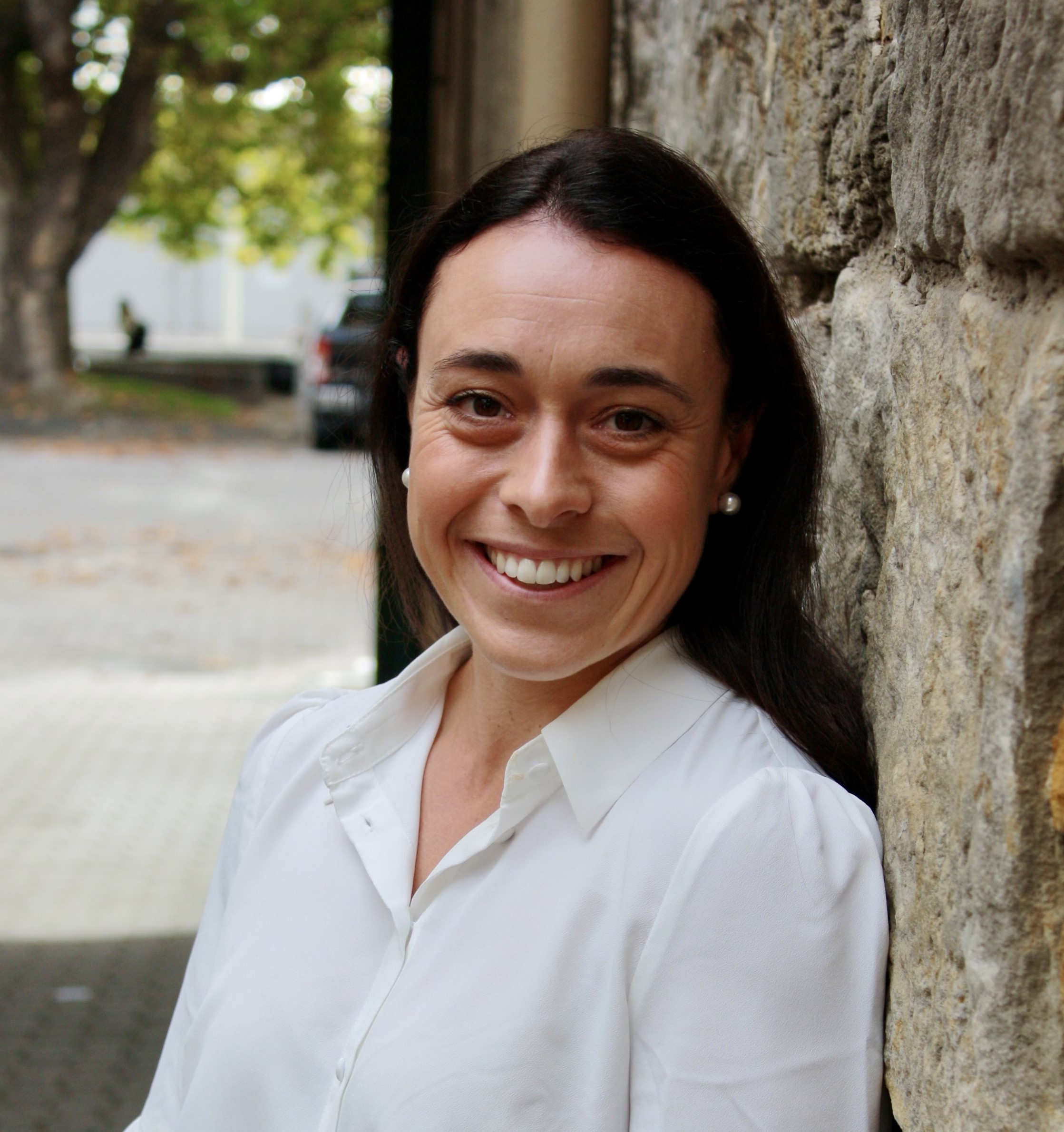
What do you find the most rewarding or enjoyable aspect of your work?
What I find most rewarding is helping people through what’s often one of the toughest periods in their professional or personal lives. Being able to step in, offer an independent perspective, and identify options that might not have been obvious within the business then guide them through the process means you can genuinely make a difference. And no two days are ever the same, you never quite know what’s going to land on your desk, which definitely keeps things interesting.
What’s the most satisfying appointment or assignment you’ve ever worked on and why?
The most satisfying appointments are the ones where you can genuinely turn things around and save a business. A standout for me was a bankrupt estate, which involved trading two pharmacies. One sold quickly, while the other required a prolonged trade on during COVID, which brought significant challenges. In the end, we preserved jobs, achieved sales for both, and both purchasers have gone on to run successful businesses, which is incredibly rewarding.
Is there anyone who has inspired you along the way, either professionally or personally?
I’ve been really fortunate to have had a number of people inspire me along the way, both professionally and personally. In particular, my business partner Barry Hamilton has mentored me over the past 14 years from my first day as a graduate, through obtaining my registrations, and now stepping into partnership, which has been invaluable. I’ve also been inspired by other women in the industry who’ve shown that it’s absolutely possible to build a successful career, run a business, and manage a family.
What are the biggest lessons you’ve learned in your career?
One of the biggest lessons I’ve learned is to never take things at face value and to always look a little deeper. In insolvency, situations are rarely as straightforward as they first seem, particularly when you’re relying on information from directors or other stakeholders. Taking the time to ask the right questions and approach things with a critical eye can make all the difference.
If you could go back to the beginning of your career, is there anything you would do differently?
If I could go back to the start of my career, I’d tell myself to say yes to more opportunities and not let imposter syndrome get in the way. It’s easy to feel like you’re not quite ready or that everyone else knows more than you, but the reality is, everyone starts in the same place. Even the most experienced and successful people once felt that same uncertainty. The times you feel a bit out of your depth are usually where you grow the most, so back yourself and trust you’ll figure it out as you go.
What is the best piece of professional advice you’ve ever been given?
The best advice I’ve been given is simple, but it’s stuck with me: market when you’re busy, not when you’re quiet. It’s easy to let it slide when you’re flat out, but that’s exactly when you should be staying visible and building relationships. The work you put in during those busy periods is what carries you through when things slow down.
About the profession
What’s the #1 skill you believe you need to be successful as an IP?
Insolvency requires a broad range of skills, but communication is right at the center of it. IPs deal with a wide range of stakeholders including directors, creditors, employees and regulators often in high pressure situations. Being able to clearly explain complex issues and manage difficult conversations is an important part of the role and it’s one of those skills that you can keep developing throughout your career, no matter your level of experience.
What do you think is the biggest opportunity for the profession?
I think the biggest opportunity for the profession right now is AI. It’s evolving so quickly, and the key is understanding how to actually apply it in our day-to-day work. Used well, it can drive real efficiencies and free up time from more repetitive tasks. That gives us more time to focus on the analytical, strategic thinking that really adds value.
What are the greatest challenges you face working in the profession?
One of the key challenges is the increasing pressure on funding and resources within appointments. In a lot of cases there simply aren’t enough resources to fully investigate or pursue recoveries. At the same time, expectations from creditors and stakeholders remain high, which can be difficult to manage in practice.
What do you think needs to change in terms of the regulatory environment?
It would be great to see some of the key recommendations from the PJC inquiry actually implemented, particularly around simplifying the system and improving proportionality. A more streamlined framework would help reduce cost and administrative burden, especially in smaller matters. It could also encourage earlier intervention and lead to better outcomes overall.
How can IPs shift the negative perception of the profession?
Education is key. We need to help the wider community understand that insolvency practitioners are there to support businesses and individuals when they hit a roadblock and can’t see a way forward. While we’re sometimes seen as “closing businesses,” in reality we’re problem-solvers and shifting that narrative by better communicating the value of what we do is really important.
How did you first get involved with ARITA and what is the best thing about being an ARITA member?
I first got involved with ARITA as a graduate member, starting with some of the introductory courses. The conferences, especially the Small Practice Conference, have been a highlight, offering a great chance to connect, share experiences, and take practical insights back into your own practice. Over time, those connections have turned into familiar faces, and now being on the Small Practice Conference Committee has made it even more rewarding.
What is your number one piece of advice for business owners facing the prospect of insolvency?
Don’t take a head in the sand approach; be proactive, not reactive. Seek professional advice at the earliest signs of trouble, as that’s when you’ll have the most options available. Don’t let fear or embarrassment hold you back as taking action early can be the difference between saving your business and closing its doors.
You’re at a BBQ talking to a young person about to embark on their career. How would you sell them on the merits of working in the profession in one sentence?
A career in insolvency is incredibly varied and rewarding – there is never a dull day in the office, and you never quite know what the next matter will involve.
Outside of work
What are you passionate about outside of work?
I love spending time with my family and friends and am passionate about athletics.
What items are at the top of your bucket list?
At the top of my bucket list is going to watch the Olympics in Brisbane in 2032 with my family, which I hope will also inspire my girls to put their energy into something they genuinely enjoy. I’d also love to compete at the World Masters Athletics Championships.
What might people who only know you from your professional capacity be surprised to find out about you?
I’ve always loved running, and was formerly Tasmania’s Open Women’s 100m, 200m and 400m state champion.