ARITA Member Spotlight
Kate Conneely RITF
04/07/2025
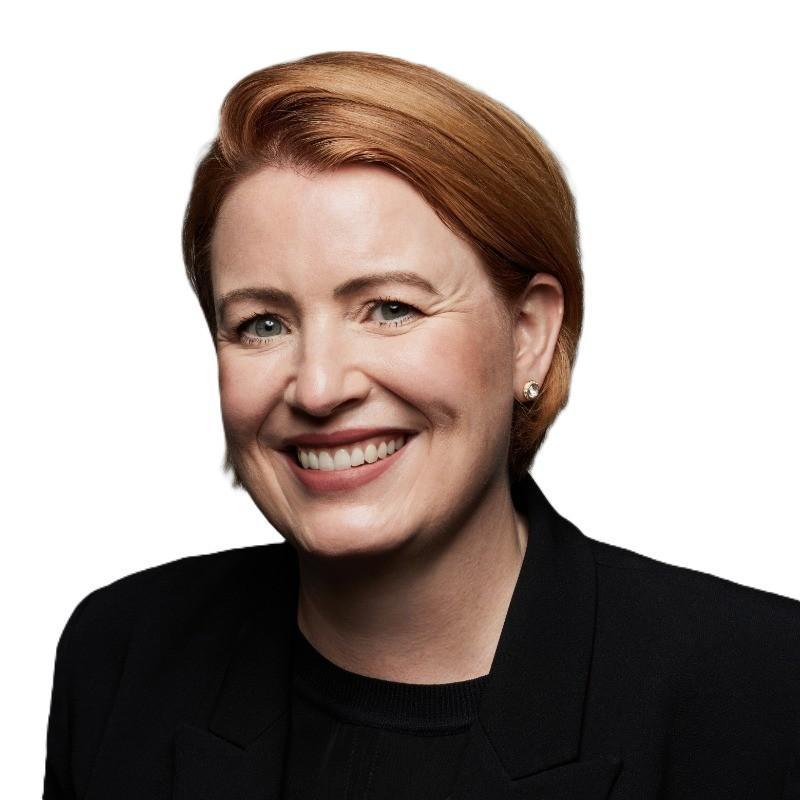
A registered liquidator and insolvency and restructuring adviser, Kate Conneely specialises in large and small-to-medium liquidations, receiverships, and voluntary administrations. Kate has been a member of the NSW/ACT Division Committee since 2021, and is a Director of KYUP! Project, an evidence-based initiative that aims to end the cycle of violence against women and children in Australia at the grassroots level. Adopting a communicative and consultative approach to complex problems, Kate is focussed on find innovative solutions to achieve positive outcomes for clients and stakeholders.
About you
How did you get into the profession?
I somewhat stumbled into the profession. I was at university when Ansett collapsed. For the first time in many years the university offered a subject in insolvency, and I took it. I realised I didn’t want to be an accountant, or a lawyer and I was studying both! I started my career at KordaMentha and what I quickly realised is that insolvency is more people orientated, and every job is different – perfect for someone who didn’t know what they really wanted to do
 What’s the most satisfying appointment or assignment you’ve ever worked on and why?
The receivership of the Gunn’s timber mill in Tarpeena near Mt Gambier, SA, which employed more people than the number of residents in the town. It wasn’t just repaying money to a bank; it was keeping the town alive. I met so many incredible people who busted their butts with us and there were so many hurdles along the way, including a fire in the mill that did a million dollars’ worth of damage. It made the deal even more satisfying when we were able to keep the business going. It was about the people and their livelihoods.
What’s the biggest success you’ve had in your career?
Two things. One was becoming a registered liquidator because only 10% are women. The other is making the leap to leave after 17 years at KordaMentha to start up the Sydney team at Cor Cordis. It’s been 15 months, and it’s been great.
What do you find the most rewarding or enjoyable aspect of your work?
Putting a business back together in a restructure and giving it new life under new owners is very rewarding. It’s also dealing with people in a crisis situation – you don’t always see people at their finest, but it can truly bring out the best in people too.
Is there anyone who has inspired you along the way, either professionally or personally?
I’m inspired by a group of women I worked with in my early days at KordaMentha. They’ve all gone on to do incredible things outside the industry – a range of executive roles, investment banking, and founding their own businesses. It bears out what a partner said when I started, that in five years I would have all the skills needed to run a business because we get exposure to every part of a business, and you learn to be comfortable making important decisions with imperfect information.
What are the biggest lessons you’ve learned in your career?
One lesson I would highlight is the importance of building connections and networks from a young age and fostering those as you continue. Women are less likely to do this than men, and sometimes I think they need it even more.
If you could go back to the beginning of your career, is there anything you would do differently?
I would do what women so often don’t – ask for a seat at the table. To be involved in a project or a meeting. We too often wait for an invitation that never comes. No one is going to manage your career, you have to learn to put yourself forward and make the most of opportunities.
About the profession
What’s the #1 skill you believe you need to be successful as an IP?
You need to be able to consider all the stakeholders, not just the ones who jump up and down. Early on, I was given a great piece of advice: ‘When the quietest person in the room speaks you should listen’ Our job is to get the best outcome for all the stakeholders, not for the most popular, or for ourselves.
What do you think is the biggest opportunity for the profession?
We have an opportunity to change the way that professional services firms are managed and our people are remunerated. The path to partnership is not what young people are aiming for today, so we need to reimagine how we work and reward it.
What are the greatest challenges you face working in the profession?
As with senior management anywhere, the biggest challenge is finding balance between competing priorities – work, home, and leisure. Insolvency often means doing it all and being available for clients all the time. The fact that our work is always during a crisis heightens emotion and urgency. The challenge is to be able to switch off and come back revived.
What do you think needs to change in terms of the regulatory environment?
It would be good to see some of the recommendations coming out of the last Parliamentary Joint Committee review enacted, and more efficient engagement and outcomes from ASIC and the ATO. I’m curious to see ASIC next steps regarding private credit regulation too.
How can IPs shift the negative perception of the profession?
It’s an education piece and something we are continuing to get better at. ARITA is doing great work in the space, but we as a profession need to have these perceptions front of mind when dealing with directors, their advisors, and stakeholders, including employees and other advisers.
What is your number one piece of advice for business owners facing the prospect of insolvency?
To wave the flag and ask for advice early. No one likes to admit failure, so they tend to put their head in the sand and pretend nothing is wrong. The earlier a business asks for help, the more options are available to save it.
You’re at a BBQ talking to a young person about to embark on their career. How would you sell them on the merits of working in the profession in one sentence?
Working in insolvency gives you the tools to run any type of business because you’re immediately placed in the driver’s seat. As much as it is a cliché, no day is the same and that’s what makes it so interesting.
Looking back over your career, what are the biggest differences in how insolvency is practised now compared to when you started?
We are no longer dealing with just the big four banks, but with many different kinds of private and alternative credit providers. They have different motivations and risk appetites, and this enables us to be more creative in the restructuring solutions we can employ.
Outside of work
What are you passionate about outside of work?
Apart from the obvious answer of my family, I’ve made a firm decision to prioritise my health and wellbeing outside of work. Putting it first on the list instead of last, so I’m forcing myself to be passionate about the gym.
What items are at the top of your bucket list?
To go on safari in Africa. To make it to the two of the four tennis grand slams I’ve not been to – Roland Garros and Wimbledon. And now that I’ve taken up pickleball, to make it into a pickleball tournament. Look out Agassi
What might people who only know you from your professional capacity be surprised to find out about you?
Nothing. I am an open book. What you see is what you get.